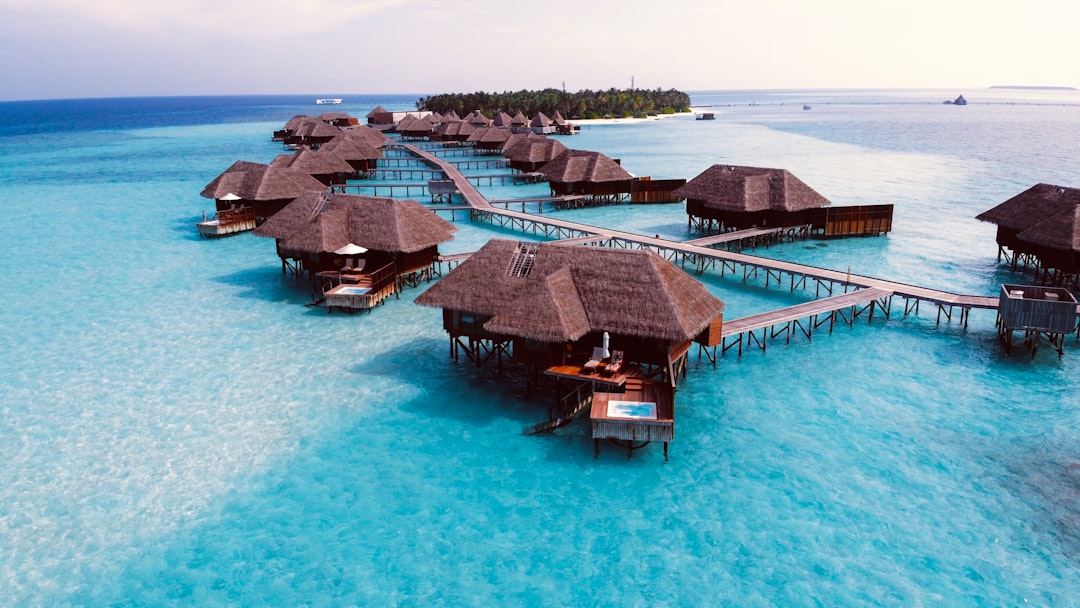
Nobody warns you that the seaplane is half the trip. You book the overwater villa, you obsess over the house reef, and then you show up at Male airport and get herded onto a De Havilland Twin Otter like it's a shuttle bus. It's not a shuttle bus. For twenty five to forty five minutes, depending on the atoll, you're flying low enough to count boats and watch the water change from navy to that pool-filter turquoise, and almost nobody picks their seat on purpose.
The pilots sit up front, obviously, but the real estate that matters is the row right behind the wing strut on the left side if you're heading south out of Male, which is most Baa and Lhaviyani atoll resorts. That side gets you the open water view without the wing blocking half the window, and on the way in you get the first look at your resort's reef shape from above, which honestly tells you more about the house reef than any resort brochure photo. The right side tends to catch sun glare in the late morning, which is when most transfers happen, so you end up squinting through the good part.
Why The Front Row Isn't The Flex You Think
People request the front row thinking it's first class. It's the loudest seat on the plane and you're staring at the pilot's headrest, not the water. The best seats are rows two and three, just behind the wing, because you clear the pontoon struts but you're still far enough back that the wing isn't directly overhead blocking your downward view. Row one also means you're first off, which sounds good until you remember you're now standing on a floating dock holding your own bags while everyone behind you watches.
The Weight Limit Nobody Mentions Until You're At The Counter
Seaplane operators cap checked luggage around 20 kilograms per person, sometimes less on smaller aircraft, and they weigh it at a separate counter from your international flight, after you've already cleared customs and are tired and do not want to repack a suitcase in a hallway. Pack a soft duffel as your transfer bag, not a hard shell, because overflow gets stuffed into whatever gap is left in the cargo hold and soft bags compress. Anything fragile, your camera, a bottle you bought at duty free, goes in your carry on, which has its own tiny limit too, usually around 10 kilograms.
Timing The Transfer So You're Not A Zombie
Seaplanes don't fly at night, full stop, no instruments for water landings in the dark. If your international flight lands after 3pm, you're very likely getting a hotel night in Male and flying out the next morning, which some travelers don't realize until they're already booked. Arrange your international arrival for before noon if you want same day transfer and an actual sunset on your own terrace instead of in an airport lounge. The good resorts will tell you this when you book, but plenty of booking sites don't flag it, and you find out with jet lag and a rolling suitcase in a terminal that closes its one coffee counter at 6pm.
None of this is complicated once someone tells you, which is the whole problem, because almost nobody does. The difference between a transfer you forget and one you'd happily do twice is entirely in these small calls, seat row, bag choice, arrival time, and a resort or agent who actually plans around them instead of just handing you a voucher. Start a bespoke request and we'll build the whole itinerary, seaplane seat included, around getting you there awake and ready to swim.